
Getting your golf grip right is a big deal. It's how you connect with the club, and if it's not solid, your shots can go all over the place. We're talking about how to improve golf grip consistency here, because honestly, a good grip is the first step to hitting straighter shots. It might seem small, but trust me, it makes a huge difference. Let's break down how to get it sorted.
Key Takeaways
- A proper golf grip is your main link to the club, and it directly impacts shot accuracy and consistency.
- Grip pressure matters a lot; too tight or too loose can mess up your swing and lead to bad shots.
- There are three main ways to hold the club: overlapping, interlocking, and the ten-finger grip. Find what feels best for you.
- Practice is key. Spending time at home or on the range, even using a mirror, helps build that consistent grip.
- Your grip affects how your wrists move, which in turn influences the clubface at impact and the direction of your shot.
Mastering Your Golf Grip Fundamentals
Alright, let's talk about the golf grip. It might not sound like the most exciting part of the game, but honestly, it's where everything starts. Think of it as the foundation for your entire swing. If your grip isn't right, the rest of your swing is going to be a struggle, no matter how much you practice your drives or your putting.
Understanding the Correct Golf Grip
Your grip is literally the only way you connect with the club. It's your direct line of communication. Getting it right means you'll have a much better chance of controlling the clubface through impact, which is a big deal for hitting the ball straight. Mess it up, and you're fighting yourself before you even start your backswing. It's not just about holding on; it's about how you hold on and what that does for the clubface. A good grip helps keep things square when you hit the ball, leading to more consistent shots. Holding the club too tight or having your hands in the wrong spot can lead to all sorts of problems, even injuries.
The goal is to have a grip that allows for maximum control of the clubface throughout the swing, especially at the moment of impact. This connection point is where power and accuracy are truly born.
There are a few key things to keep in mind:
- Clubface Control: The primary job of your grip is to manage the clubface. A proper grip helps keep it square to your target line at impact.
- Injury Prevention: A grip that's too tight or incorrectly positioned can put unnecessary strain on your wrists and hands, potentially leading to pain or injury.
- Swing Consistency: A repeatable, correct grip makes it easier to repeat your swing motion, leading to more predictable results on the course.
The Crucial Role of Grip Pressure
This is a big one. Most golfers, especially beginners, tend to grip the club way too hard. It feels like you need to squeeze it to hit it far, right? Wrong. Holding on with a death grip actually restricts your wrists and arms, making it harder to generate speed and control. You want a grip that's firm enough to keep the club from slipping, but loose enough to allow your wrists to hinge and unhinge naturally. Imagine holding a tube of toothpaste – you want to hold it firmly enough so it doesn't fall, but not so hard that you squeeze all the toothpaste out. A light grip pressure is key for a fluid swing. You can practice this at home with a training aid like the SwingMate Pro.
Identifying the Three Main Grip Styles
When people talk about golf grips, they usually mean one of three main styles: the overlapping, the interlocking, and the ten-finger (or baseball) grip. All of these can work well, and the best one for you really comes down to what feels most comfortable and natural in your hands. There's no single 'right' way that fits everyone. Trying them out is the best way to see which one suits your hands and swing best. You can find more details on how to grip a golf club to help you decide.
- Overlapping Grip (Vardon Grip): The pinky finger of your trail hand rests in the gap between the index and middle finger of your lead hand.
- Interlocking Grip: The pinky finger of your trail hand interlocks with the index finger of your lead hand.
- Ten-Finger Grip (Baseball Grip): All ten fingers are on the club, with the trail hand placed directly below the lead hand, similar to how you'd hold a baseball bat.
Don't get too hung up on which one is 'best.' Focus on getting the club into your hands correctly within whichever style you choose. The 'V's' formed by your thumb and index finger on each hand are a good indicator. For most golfers, these 'V's' should point roughly towards your right shoulder. If they point too far left, it might indicate a weaker grip that could require more effort to square the clubface.
Achieving the Ideal Golf Grip Position
Getting your hands on the club just right is a big deal. It's your main connection to the club, after all. If you mess this part up, the rest of your swing can get pretty wonky. We're talking about making sure your hands work together like a well-oiled machine, not like they're fighting each other. This section breaks down how to get your lead and trail hands set up so they can do their job.
Positioning Your Lead Hand Correctly
For right-handed golfers, this is your left hand. Start by laying the club across your palm. You want it to run from the base of your pinky finger up to just past the first knuckle of your index finger. Then, wrap your fingers around the grip. Your thumb should sit a little to the right of the center of the grip. A good way to check this is to see if you can spot at least two knuckles of your left hand when you look down. This setup helps control the clubface, which is pretty important for hitting it straight. It's all about getting that initial connection solid before you even think about swinging.
Integrating Your Trail Hand for Control
Now, let's bring in your trail hand (the right hand for righties). Place it below your lead hand. The palm of your trail hand should be facing the target. The lifeline of your trail hand should cover up your lead thumb. This overlap or interlocking is what really ties your hands together. There are a few ways to do this, like the interlocking grip where your pinky finger of the trail hand fits between the index and middle finger of your lead hand, or the overlapping grip where your trail hand's pinky finger rests on top of the lead hand's index finger. Some folks even use a ten-finger grip, where all ten fingers are on the club. The key is finding what feels secure and allows both hands to work together without tension. Trying out different methods can really help you find what suits you best.
Ensuring Both Hands Work as a Unit
Once both hands are on the club, it's time to make sure they act as one. The goal is to have them work in harmony throughout the swing. You don't want one hand dominating the other. Think about the "V" shapes formed by your thumb and index finger on each hand. For a neutral grip, these "V"s should point roughly towards your right shoulder. If they point too far left, it might indicate a weaker grip, which can sometimes lead to a slice if you don't compensate. Getting this unified feel is what allows for consistent clubface control. It's like a team effort; both hands have a role, and they need to communicate effectively. A good grip is the foundation for a better golf game.
The way your hands connect to the club is your direct line of communication with it. If that line is fuzzy or inconsistent, your message to the club gets lost, and the result is often a shot that goes where you didn't intend. Focus on a stable, repeatable hand position, and you'll see a big difference in your ball flight.
Here's a quick rundown of what to check:
- Lead Hand: Club runs diagonally across the palm, from pinky base to index finger knuckle.
- Trail Hand: Palm faces the target, lifeline covers lead thumb.
- Connection: Interlocking, overlapping, or ten-finger – find what feels natural and secure.
- "V"s: Pointing towards your trail shoulder is a good starting point.
- Pressure: Keep it light, like holding a tube of toothpaste without squeezing it out.
Refining Grip Techniques for Consistency
Okay, so we've talked about the basics of getting your hands on the club. Now, let's really dig into how you hold it and why that matters for hitting it straight. It’s not just about squeezing the life out of the club; it’s about a controlled, repeatable pressure that lets your wrists do their job.
The Impact of Grip Strength on Ball Flight
Think about it: if you're gripping the club too tightly, your wrists get locked up. This means less flexibility through the swing, and that can lead to all sorts of problems, like slicing or hooking. On the flip side, a grip that's too loose means you might lose control of the clubhead, especially at the top of the backswing or through impact. Finding that sweet spot of pressure is key to a consistent strike. It's about feeling secure, not tense.
Understanding Weak vs. Strong Grips
This is where things get interesting. A "strong" grip usually means your hands are rotated a bit more to the right (for a right-handed golfer), so you see more knuckles on your left hand. This can help square the clubface if you tend to release the club early, but it can also lead to hooks if you're not careful. A "weak" grip, where your hands are rotated more to the left, might make it harder to square the face and could lead to slices.
Here's a quick way to check:
- Left Hand: The "V" formed by your thumb and index finger should point roughly towards your right ear. If it points more towards your right shoulder, it's strong. If it points more towards the center of your body, it's weak.
- Right Hand: The "V" formed by your thumb and index finger should point roughly towards your right shoulder.
- Overall Feel: You should see about two to three knuckles on your left hand when looking down at address.
Finding the Right Grip for Your Swing
What works for one golfer might not work for another. It really depends on your natural swing tendencies. If you tend to slice, you might experiment with a slightly stronger grip. If you hook the ball, a slightly weaker grip could help. It's often about making small adjustments to get the clubface square at impact without having to consciously manipulate it with your hands. Remember, the goal is a neutral grip that allows for a natural release. You don't want to be fighting your grip throughout the swing. If you're unsure about your setup, checking things like the alignment of the butt end of your grip with your belt buckle can also make a big difference. This alignment is more important than many realize.
Don't be afraid to experiment a little. Sometimes, the best way to find what works is to try different things and see how they feel and, more importantly, how they affect your ball flight. Keep a club handy and practice gripping it throughout the day. It won't take long to get used to a new feel.
Drills to Improve Golf Grip Consistency
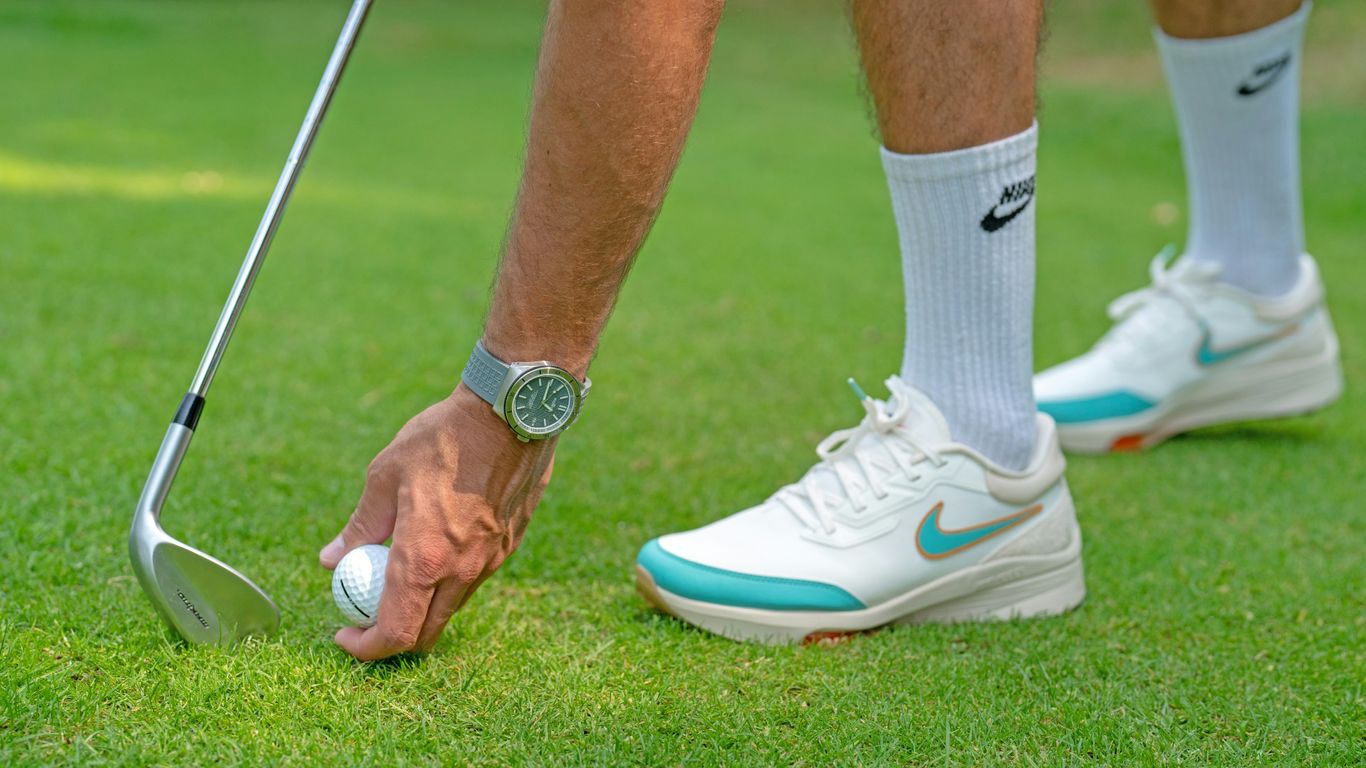
Alright, so you've got the theory down about how your hands should be on the club. That's great. But theory only gets you so far, right? You gotta actually do it. Making your grip feel natural and repeatable takes practice, and not just when you're out on the course trying to impress your buddies. We're talking about putting in some work, even when you're just chilling at home.
Practicing Grip and Stance at Home
This is where you build that muscle memory without the pressure of hitting a ball. Grab your club – or even just a broomstick if you want to save your back – and just go through the motions. Focus on how your hands feel on the grip. Are they too tight? Too loose? Are your fingers in the right spots? The goal here is to make the correct grip feel like second nature. Try this: stand in front of a mirror and just take your grip. Look at your hands. Do they look like they did in that lesson, or in the pictures? Do it again. And again. It might feel a bit silly at first, but trust me, it pays off. You can also work on your stance at the same time, making sure your feet are set up correctly before you even think about swinging.
Using Mirrors and Video for Feedback
Okay, so the mirror is good, but sometimes you need a second pair of eyes, even if those eyes belong to you on your phone. Set up your phone to record yourself from down the line and face on. Take your grip. Watch the playback. Did your left hand look like it was turned too much? Was your right hand sliding around? Sometimes you think you're doing it right, but the camera doesn't lie. It’s a bit like trying to fix your bike; those YouTube videos make it look easy, but when you try it yourself, you realize you missed a step. This is your chance to catch those little things. You can even compare your grip to pros you admire. For more on improving your swing, check out 100 Golf Playing Tips.
Reinforcing Correct Techniques Through Repetition
This is the part where you just keep doing it. Over and over. Think of it like learning to tie your shoes. You didn't get it perfect the first time, did you? You just kept trying. The same applies here. Spend a few minutes each day just gripping the club. You can do it while watching TV, waiting for the kettle to boil, whatever. The more you repeat the correct motion, the more your hands and arms will remember it. It's about building a habit. You want your hands to automatically go to the right spot every single time, without you even having to think about it. This consistency is what leads to straighter shots.
Don't get discouraged if it feels awkward at first. Your hands might feel like they're in a strange position, and that's okay. Stick with it. The feeling of discomfort will eventually fade as your muscles adapt and the correct grip becomes your new normal. Consistency is built through patient repetition, not by giving up when it feels difficult.
Here are a few things to focus on during your repetitions:
- Grip Pressure: Aim for a pressure that feels like you're holding a tube of toothpaste without squeezing it out. Too tight, and you restrict your wrists. Too loose, and you lose control.
- Hand Placement: Make sure your lead hand is positioned correctly, then bring your trail hand to meet it, ensuring they work together.
- V's Alignment: Check that the 'V' formed by your thumb and forefinger on both hands points roughly towards your trail shoulder. This is a good general guide, though it can vary slightly based on your natural tendencies.
The Connection Between Grip and Swing Mechanics
How Grip Affects Wrist Positioning
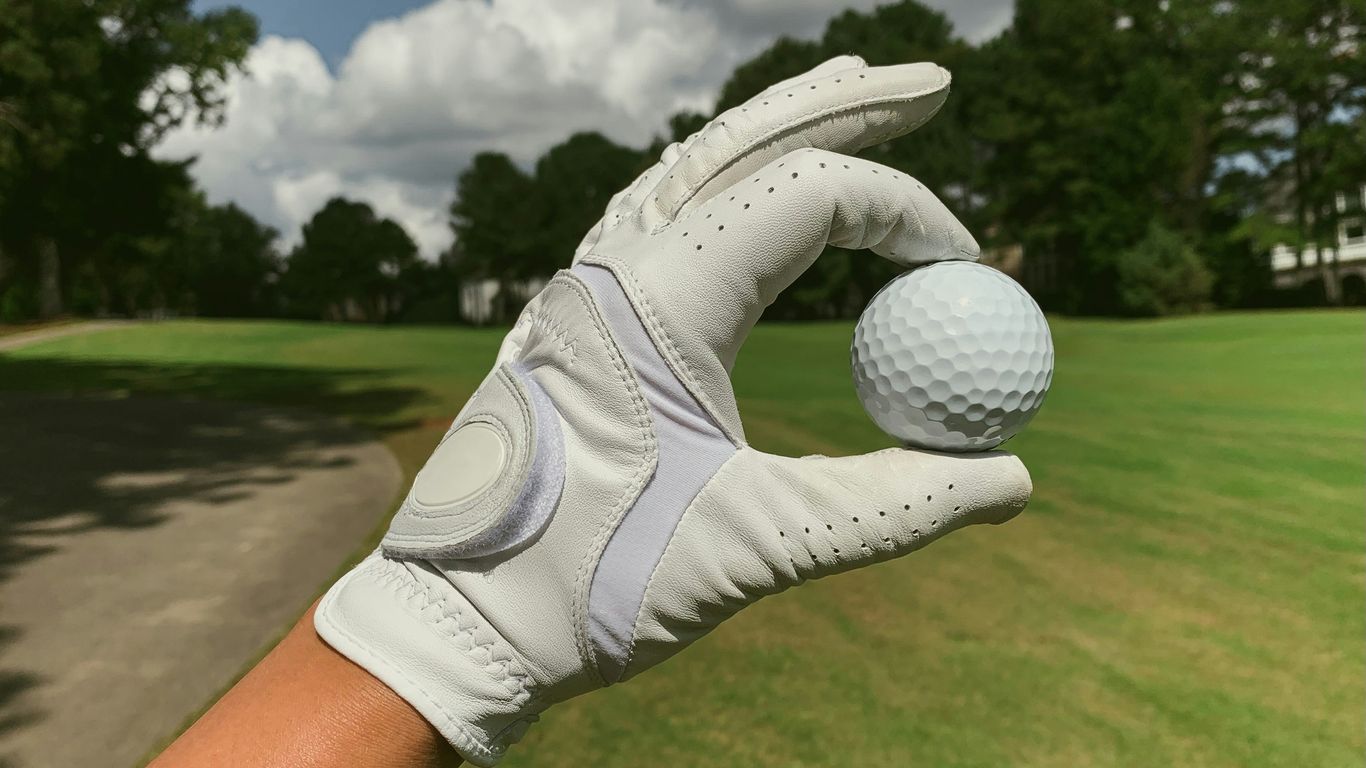
Your golf grip isn't just about holding the club; it directly influences how your wrists move during the swing. A grip that's too tight, for instance, can restrict wrist hinge, making it tough to generate power and control the clubface. Conversely, a grip that's too loose might lead to the club head feeling disconnected, especially at the top of the backswing. The "V" formed by your thumb and index finger on each hand is a good indicator. If these "V's" point too far towards your left shoulder (for a right-handed golfer), it's a weaker grip that might require more wrist action to square the clubface. If they point too far right, it's a stronger grip that can lead to the clubface closing too quickly. Finding that sweet spot where your wrists can hinge naturally and then release effectively is key.
Maintaining a Steady Head for Square Impact
Think about it: if your grip is unstable, your hands and arms will constantly be making adjustments throughout the swing. This often leads to a swaying or lifting motion of the head as your body tries to compensate for the lack of control from your grip. A consistent grip, however, allows your arms to swing more freely and your body to rotate around a stable central axis, which includes your head. When your head stays relatively still, it provides a consistent reference point, making it much easier to deliver the clubface squarely to the ball. It’s like trying to paint a picture while standing on a wobbly stool versus standing on solid ground – much easier to be precise when things are stable.
Allowing Arms to Follow the Body's Rotation
A proper grip acts as the foundation for a fluid swing. When you have a good grip, your arms can hang naturally from your shoulders. This allows them to act as levers that are pulled by the rotation of your torso. Without a solid grip, your arms might try to take over, leading to an "all arms" swing that lacks power and consistency. The goal is for your body to initiate the swing, and your arms and the club to follow its natural arc. A well-held club allows your arms to swing freely and in sync with your body's turn, leading to a more powerful and repeatable motion through impact.
Your grip is super important for how you swing. A good grip helps you control the club better, leading to a more powerful and accurate shot. It's like holding a pencil – a firm but relaxed grip makes writing easier. Want to learn more about how your grip affects your swing? Visit our website for tips and tricks!
Wrapping It Up
So, we've gone over how getting a good grip on your golf club is a pretty big deal. It's like the foundation for your whole swing, really. When your hands are set right, and you're not squeezing the life out of the club, things just start to click. You'll notice your shots flying straighter, and honestly, it just makes the game more fun. Don't get discouraged if it takes a little time; practice makes perfect, as they say. Keep working on that grip, maybe try out some of those drills we talked about, and you'll be hitting those fairways more often than not. Happy golfing!
Frequently Asked Questions
Why do my golf shots go all over the place instead of straight?
Lots of things can make your golf ball go off course. Sometimes, it's because your hands aren't holding the club just right. Maybe you're gripping it too tight, or your hands are in the wrong spot. Even how you stand can mess things up. It's like trying to steer a car with a wobbly steering wheel – it's hard to go straight!
Why is hitting a golf ball straight so difficult?
Hitting a golf ball straight is tricky because a golf club is a long stick with a small head. You have to connect with the ball perfectly using that small clubface. If the clubface is even a little bit open or closed when you hit the ball, it'll fly off course. Plus, your body has to move just right, and that's tough to do every single time.
How can I make my golf shots go straighter?
To hit straighter shots, start with your grip. Make sure you're holding the club firmly but not too tight. Also, check how your hands are positioned on the club. Getting your grip and stance right is like setting up your bowling ball correctly before you roll it – it makes a big difference.
Is it better to hit a straight shot or a draw in golf?
For most golfers, hitting it straight is the goal because it's the easiest to control and aim. A 'draw' is when the ball curves slightly from right to left (for a right-handed player). While pros sometimes use a draw, it's harder to hit on purpose. Straight is usually best for consistency.
What's the most important part of my golf grip?
The most important thing is finding a grip that feels natural and allows you to control the clubface. You need the right amount of pressure – not too tight, not too loose. Also, making sure your hands are placed correctly on the club helps a lot. It's your main connection to the club, so it needs to be solid.
How often should I check my golf grip?
You should check your grip before every shot, or at least very often during practice. It's easy to accidentally change your grip without realizing it, especially when you get tired or frustrated. Making it a habit to check your grip ensures you're always starting with a good connection to the club.


