

Getting a good golf grip at home might sound tricky, but it's totally doable. It’s like learning to tie your shoes – takes a little practice, but once you get it, you’ve got it. Your grip is basically your only connection to the club, so getting it right makes a huge difference in how you hit the ball. If you're struggling with slices, hooks, or just inconsistent shots, your grip might be the culprit. This guide will show you how to fix your golf grip at home, even if you're a total beginner. We'll break it down so you can start hitting the ball straighter and further, without even needing to go to the course.
Key Takeaways
- A proper golf grip is your main connection to the club and directly impacts your shot consistency and ball flight. Fixing it at home is achievable with practice.
- Focus on a neutral grip: ensure the 'V' shapes formed by your thumbs and index fingers point towards your trailing shoulder for square contact.
- Avoid common mistakes like gripping too tightly, placing the club too deep in your palm, or having misaligned 'V' shapes.
- Practice your grip regularly without a club, using mirrors or video to check your hand placement and build muscle memory.
- Consider grip trainers and keep your club grips clean and in good condition to maintain a solid hold.
Understanding The Fundamentals Of A Proper Golf Grip
Why Your Golf Grip Matters For Consistency
Alright, let's talk about the golf grip. It might seem like a small detail, but honestly, it's the only thing connecting you to the club. Think of it as the handshake between you and your golf club. If that handshake is shaky or off, the whole swing can go sideways. For beginners, getting this right from the start is a game-changer. It sets you up for more consistent shots, better control, and frankly, a lot less frustration on the course. A good grip helps you square up the clubface at impact, which is pretty important if you want the ball to go where you're aiming.
The Connection Between Grip And Ball Flight
Ever wonder why your ball sometimes slices way off to the right or hooks hard to the left? A lot of times, it comes down to how you're holding the club. Your grip directly influences the clubface angle when it hits the ball. If your grip is too weak, the face might stay open, leading to a slice. If it's too strong, the face can close too quickly, causing a hook. Getting your grip neutral is key to straighter shots. It’s like tuning an instrument; small adjustments here can make a big difference in the final sound – or in this case, the ball flight.
Building A Solid Foundation For Your Swing
Think of your grip as the foundation of your entire golf swing. Without a solid base, everything else you try to build on top is going to be wobbly. A proper grip gives you the stability and control needed to make a good swing, generate power, and hit the ball cleanly. It’s not just about holding the club; it’s about holding it in a way that allows your hands and wrists to work properly throughout the swing. This allows for a more natural release and better feel for the club. It’s one of those things that, once you get it right, you’ll wonder how you ever played without it. It really does make that much of a difference when you're trying to improve your golf game.
A good grip isn't about brute strength; it's about precise placement and the right amount of pressure. It's the silent partner in your swing, working hard to ensure the clubface is square at impact, leading to more predictable and satisfying shots.
Mastering The Neutral Golf Grip At Home
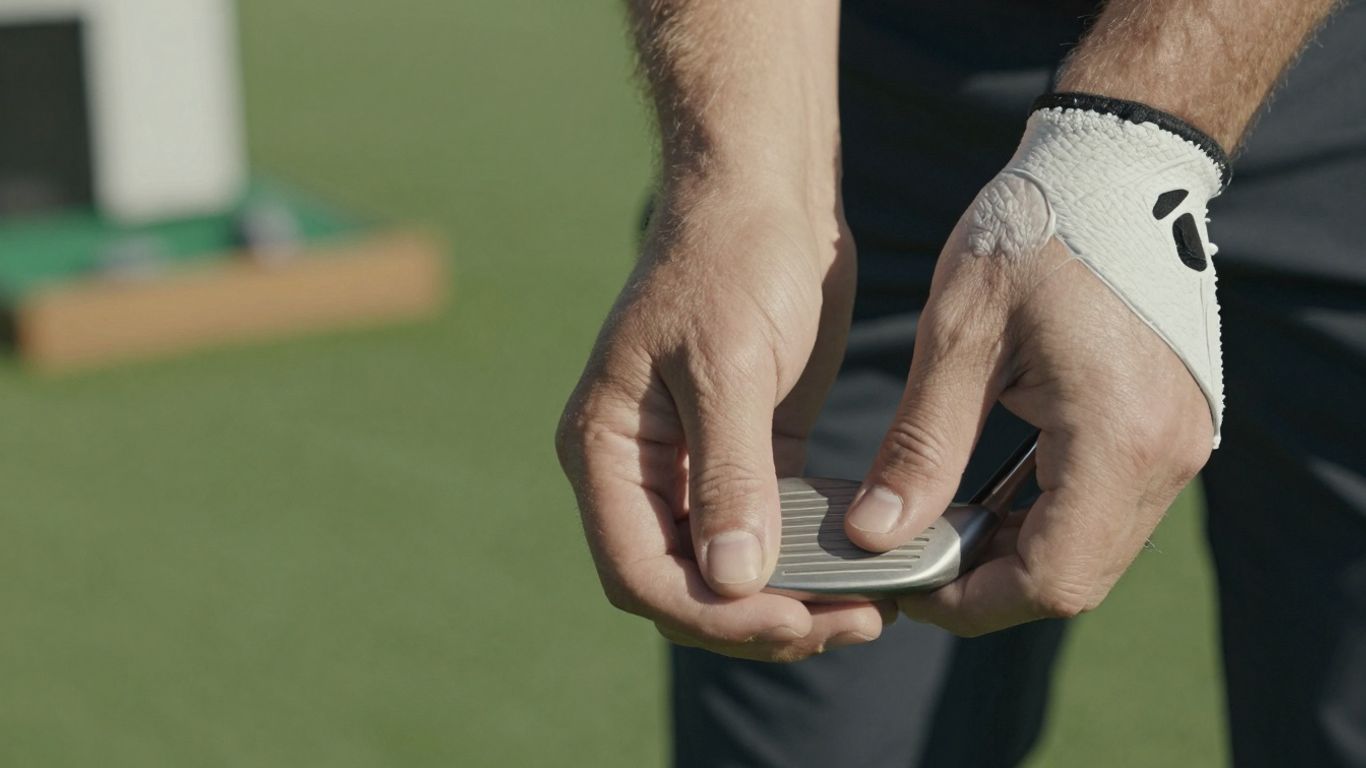
Alright, let's talk about getting your hands on the club the right way. This is where the magic happens, or where it doesn't, if you're holding on like you're trying to stop a runaway train. We're aiming for a neutral grip, which basically means your hands are working together to help the clubface stay square through the swing. This is the sweet spot for hitting the ball straight.
Correct Hand Placement For Beginners
First up, let's focus on your lead hand – that's your left hand if you're right-handed. Don't just grab the club and go. Open your hand and lay the grip across it so it runs from the middle joint of your index finger down to the fleshy part at the base of your palm, near your pinky. Then, close your fingers around it. Your thumb should sit on top or slightly to the right of the grip. You should be able to see about two knuckles on your left hand when you look down.
Aligning The 'V' Shapes For Square Contact
Now, let's bring in the trail hand (your right hand for righties). Place it on the grip so it covers the thumb of your lead hand. The key here is the 'V' shape formed by your thumb and index finger on both hands. For a neutral grip, these 'V's should point roughly towards your trail shoulder. This alignment is super important for making sure the clubface is square when you hit the ball. If those 'V's are pointing too far left or right, you're asking for trouble with slices or hooks.
Here's a quick check:
- Left Hand 'V': Should point towards your right shoulder.
- Right Hand 'V': Should also point towards your right shoulder.
- Overall Alignment: Both hands should feel like they're working together, not fighting each other.
Achieving The Ideal Grip Pressure
This is a big one, and many beginners get it wrong. You don't need to squeeze the life out of the club! Think of it like holding a tube of toothpaste – you want to hold it firmly enough so it doesn't slip, but not so hard that you squeeze all the paste out. A good way to think about it is 4 or 5 out of 10 on a pressure scale. Too much tension travels up your arms and into your shoulders, killing your swing speed and feel. The goal is to feel connected to the club, not like you're trying to break it.
Holding the club too tightly is one of the most common mistakes. It restricts your wrists and arms, making it impossible to generate speed and control the clubface. Focus on a relaxed, yet firm, hold.
Common Golf Grip Mistakes To Avoid
Even with the best intentions, many golfers fall into bad grip habits that affect their control, accuracy, and consistency. Whether you're just starting out or have been playing for years, it's worth reviewing these common golf grip mistakes so you can correct them early.
The Pitfalls Of Gripping Too Tightly
One of the most frequent errors is holding the club too tightly. This creates tension in the arms and shoulders, leading to a stiff, unnatural swing and reduced clubhead speed. It's like trying to shake hands with a vise grip – nobody likes it, and it doesn't help you do anything well. Your grip should feel firm but relaxed, think of holding a tube of toothpaste without squeezing any out. On a scale of 1 to 10, your grip pressure should be around a 4 or 5.
Avoiding Placing The Club Too Deep In The Palm
If the club sits too far back in your palm, instead of across your fingers, it really limits your wrist mobility. This makes it much harder to square the clubface at impact, often resulting in weak shots or slices. The club should feel like it's resting more in the fingers of your lead hand, not buried deep in the palm.
Correcting Misaligned 'V' Shapes
The 'V' shapes formed between your thumb and index finger on each hand are important indicators of your grip. These 'V's should ideally point somewhere between your chin and your trail shoulder. If one hand is rotated too far, or the 'V's point in different directions, it can lead to hooks or slices. It's a simple visual check that can make a big difference. You can check this by looking in a mirror or recording your setup from the front to ensure symmetry.
Here are some common grip alignment issues:
- Thumbs too far left (for right-handers): Can lead to an open clubface and slices.
- Thumbs too far right (for right-handers): Can lead to a closed clubface and hooks.
- Both 'V's pointing too far inward: May cause excessive hand action and loss of control.
A poor grip can lead to common issues like slicing the ball to the right, hooking it sharply to the left, or struggling with inconsistent shots that lack accuracy or distance. These problems often stem from subtle grip mistakes that go unnoticed, especially by beginners.
Practicing Your Golf Grip Without A Club
You don't need to be on the course or even have a club in your hand to work on your golf grip. In fact, practicing your grip away from the swing can help you build better habits without the pressure of hitting a ball. It's all about repetition and getting that feel just right.
Using A Mirror Or Video For Feedback
This is a simple but really effective way to see what you're actually doing. Stand in front of a mirror and practice holding the club. You can also use your phone to record yourself. Look closely at how your hands are positioned. Are the 'V' shapes, formed by your thumbs and index fingers on each hand, pointing towards your trail shoulder? If they're pointing too far inward or outward, that's a sign your grip might be too strong or too weak, which can mess with your ball flight. Getting this alignment right is key for hitting the ball square.
Building Muscle Memory Through Repetition
Think of it like learning to tie your shoes. The more you do it, the more automatic it becomes. You can do this anywhere – in your living room, your office, or even waiting for the bus. Just pick up an imaginary club or even a broomstick and go through the motions of taking your grip. Try to do this 10 to 15 times a day. The goal is to make the correct grip feel so natural that you don't even have to think about it when you're swinging. This consistent, mindless repetition is what builds that strong muscle memory.
Slow-Motion Drills For Grip Reinforcement
Once you've got the basic hand placement down, try doing slow-motion swings without a ball. Focus intently on maintaining your grip throughout the entire motion. Don't worry about power or distance; just concentrate on keeping your hands in the correct position from the start of the backswing, through the transition, and into the follow-through. This helps you feel how your grip should feel stable but not tight during the swing. It's about feeling the connection between your hands and the club the whole way.
Practicing your grip without the pressure of hitting a ball allows you to focus solely on the feel and placement of your hands. This focused attention can lead to quicker improvements and a more consistent grip when you do step up to the tee.
Tools To Help You Fix Your Golf Grip
Sometimes, you just need a little extra help to get things right, and that's totally okay. When it comes to your golf grip, there are some handy tools out there that can make a big difference, especially when you're just starting out.
Grip Trainers and Aids for Beginners
These are pretty neat. Think of them as little helpers that show you exactly where your hands should go. Some are just shaped grips you put over your existing ones, while others are more like training devices. They help you feel the correct hand placement and build that muscle memory without you having to constantly think about it. Using a grip trainer can really speed up the process of learning the right feel. It's like having a coach right there with you. You can find a good retractable golf swing training aid that includes a grip trainer, which is pretty convenient.
The Importance of Clean and New Grips
This one might seem obvious, but it's super important. If your club grips are old, dirty, or worn out, they become slippery. When your grips get slippery, your natural reaction is to squeeze the club harder to keep it from moving. This extra tension travels all the way up your arms and can mess up your entire swing. It makes it harder to control the clubface and can lead to all sorts of bad shots. Keeping your grips clean is easy – a little soap and water usually does the trick. But eventually, they just wear out. If they feel slick or look shiny, it's probably time for a change. New grips feel tacky and give you the confidence to hold the club with the right amount of pressure, not too much and not too little.
When to Consider Regripping Your Clubs
So, how often should you actually replace your grips? It really depends on how much you play and how you treat your clubs. If you're out on the course every weekend, you'll probably need to replace them more often than someone who plays a couple of times a year. A good rule of thumb is to check them at least once a year. If you notice they're getting hard, slick, or cracked, it's definitely time. Even if they look okay, if you've been playing for more than two years without changing them, it might be worth considering a fresh set. It's a relatively inexpensive way to make a big improvement to your game, and it's something you can often do yourself at home with a little patience.
Don't underestimate the impact of your grips. They are your only connection to the club, and worn-out or dirty grips can sabotage even the best swing intentions. Think of them as the tires on your car – you wouldn't drive on bald tires, so don't swing with worn-out grips.
Maintaining Your Golf Grip Over Time
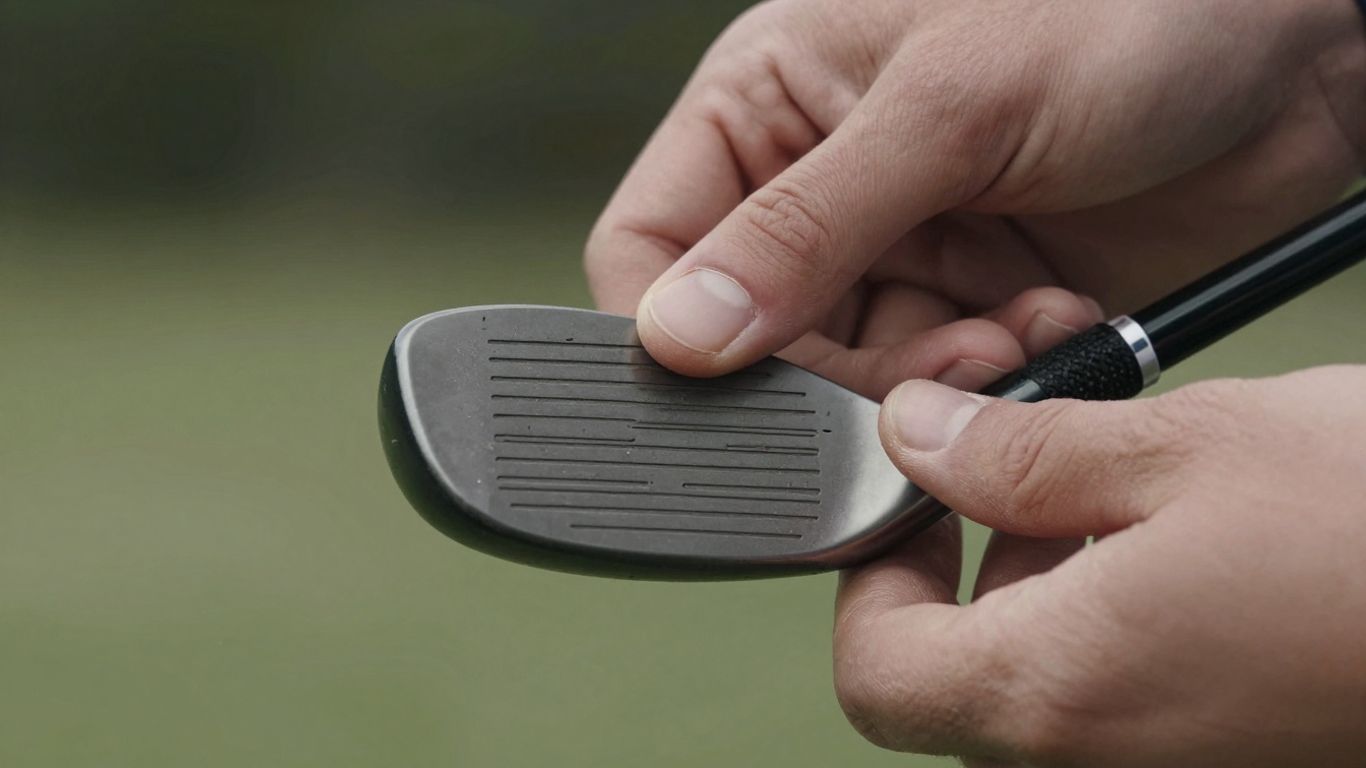
So, you've worked hard to get your grip just right. That's awesome! But here's the thing: golf is a game of habits, and sometimes, even good habits can start to slip if you're not careful. Think of it like keeping your car tuned up; you can't just do it once and forget about it. Your grip needs a little attention now and then to stay in top shape.
Regularly Reevaluating Your Grip
It sounds simple, but checking in with your grip is super important. Over time, especially if you're playing a lot or maybe going through a rough patch with your scores, you might unconsciously start holding the club differently. It's a good idea to just take a moment before you play, or even during practice, to feel your hands on the club. Are they in the same spot you practiced? Do the 'V' shapes still point where they should? Making these quick checks can prevent small issues from becoming big problems down the road. It doesn't take long, maybe just a minute or two, but it can save you a lot of frustration.
Monitoring Grip Pressure Under Pressure
This is a big one, especially when you're out on the course and things get a bit tense. You know that feeling when you're standing over an important putt or a tricky tee shot? It's easy to squeeze the club way too hard without even realizing it. This tightness travels up your arms and can really mess with your swing. Try to be aware of your grip pressure, especially during those high-stakes moments. Sometimes, just taking a deep breath and consciously trying to relax your hands can make a huge difference. It’s about finding that balance – firm enough to control the club, but relaxed enough to let your arms and wrists move freely.
Keeping Your Grips in Good Condition
Your club grips are literally the only thing connecting you to the club. If they're worn out, slick, or dirty, your hands are going to slip, and you'll end up gripping tighter to compensate. That's bad news for your swing speed and control.
Here’s a quick rundown on keeping them in shape:
- Cleaning: Most grips can be cleaned with warm water, a little soap, and a soft brush. Just give them a good scrub, rinse well, and let them air dry. This removes the oil and dirt that build up over time.
- Inspection: Look at your grips. Do they look shiny? That's a sign they're getting slick and need cleaning or replacing. Are there any nicks or tears?
- Replacement: Generally, grips can last a couple of years with regular cleaning and moderate play. If you play a lot, or if they feel hard or slick even after cleaning, it's probably time for a new set. Replacing grips is a relatively inexpensive way to make a big difference in your game.
Don't underestimate the impact of worn-out grips. They can lead to a tighter grip, which restricts your wrists and arms, ultimately hurting your swing. Keeping them clean and replacing them when needed is a simple but effective way to maintain good golf habits.
Keep Practicing Your Grip
So, there you have it. Getting your golf grip right might seem like a small detail, but honestly, it makes a huge difference. It’s the main way you connect with the club, and fixing it at home is totally doable. Just remember to check yourself in a mirror, do some practice holds without even swinging, and don't be afraid to use those training aids if they help. Keep at it, and you'll start seeing better shots on the course. It takes a bit of patience, but building that muscle memory will pay off big time. Now go practice!
Frequently Asked Questions
Why is my golf grip so important?
Your golf grip is the only way you connect with the club. A good grip helps you control the club, hit the ball more consistently, and get better distance. If your grip isn't right, you might slice, hook, or just not hit the ball very well.
How tight should I hold the golf club?
You shouldn't squeeze the club too hard! Think of it like holding a tube of toothpaste – you want to hold it firmly enough so it doesn't slip, but not so hard that you squeeze anything out. Imagine holding a small bird; you want to keep it safe, not crush it. Too much pressure makes your swing stiff.
What does it mean to have a neutral grip?
A neutral grip means your hands are positioned on the club in a way that helps the clubface stay square when you hit the ball. For most people, this means the 'V' shape made by your thumb and index finger on both hands should point towards your right shoulder (if you're right-handed).
How can I practice my grip at home?
You can practice your grip without even swinging a club! Try holding the club correctly in front of a mirror or record yourself on video to check your hand placement. Doing this many times a day helps build muscle memory. You can also do slow-motion swings, focusing just on keeping your grip right.
When should I replace my golf grips?
You should check your grips regularly. If they feel slippery, worn out, or dirty, it's time for new ones. Worn grips can make you hold the club too tightly without realizing it, which hurts your swing. A good rule of thumb is to replace them about every 18 months if you play often.
What's the difference between a strong and weak grip?
A 'strong' grip is when your hands are rotated more towards the right (for right-handed players), and you might see three or more knuckles on your lead hand. This can cause you to hook the ball. A 'weak' grip is when your hands are rotated more towards the left, and you might see less than two knuckles. This often leads to a slice. A neutral grip is usually best for most golfers.


