

So, you're new to golf and trying to get a handle on things? Literally. The grip is super important, but it can be a real puzzle when you're just starting out. You might have heard about golf grip trainers, and if you're wondering if they actually work, especially for beginners, you're in the right spot. We're going to break down what these things are, why they're a good idea for new players, and how you can use one to get your grip sorted without needing a pro looking over your shoulder all the time. It’s all about making golf a little less frustrating from the get-go.
Key Takeaways
- A golf grip trainer for beginners is a tool designed to help new players establish the correct hand placement on the golf club, promoting muscle memory for a consistent swing.
- These trainers are particularly useful for beginners because they simplify the complex task of gripping the club, preventing common errors that lead to poor shots.
- Using a golf grip trainer can lead to immediate improvements in shot consistency, ball striking, and can help correct issues like slicing by ensuring a neutral grip.
- The best trainers are easy to attach and remove, durable, and simple to use, making them suitable for practice sessions at the driving range or even at home.
- By focusing on the grip, beginners can build a solid foundation for their game, making future swing improvements more achievable and practice sessions more productive.
Understanding The Golf Grip Trainer For Beginners
What Is A Golf Grip Trainer?
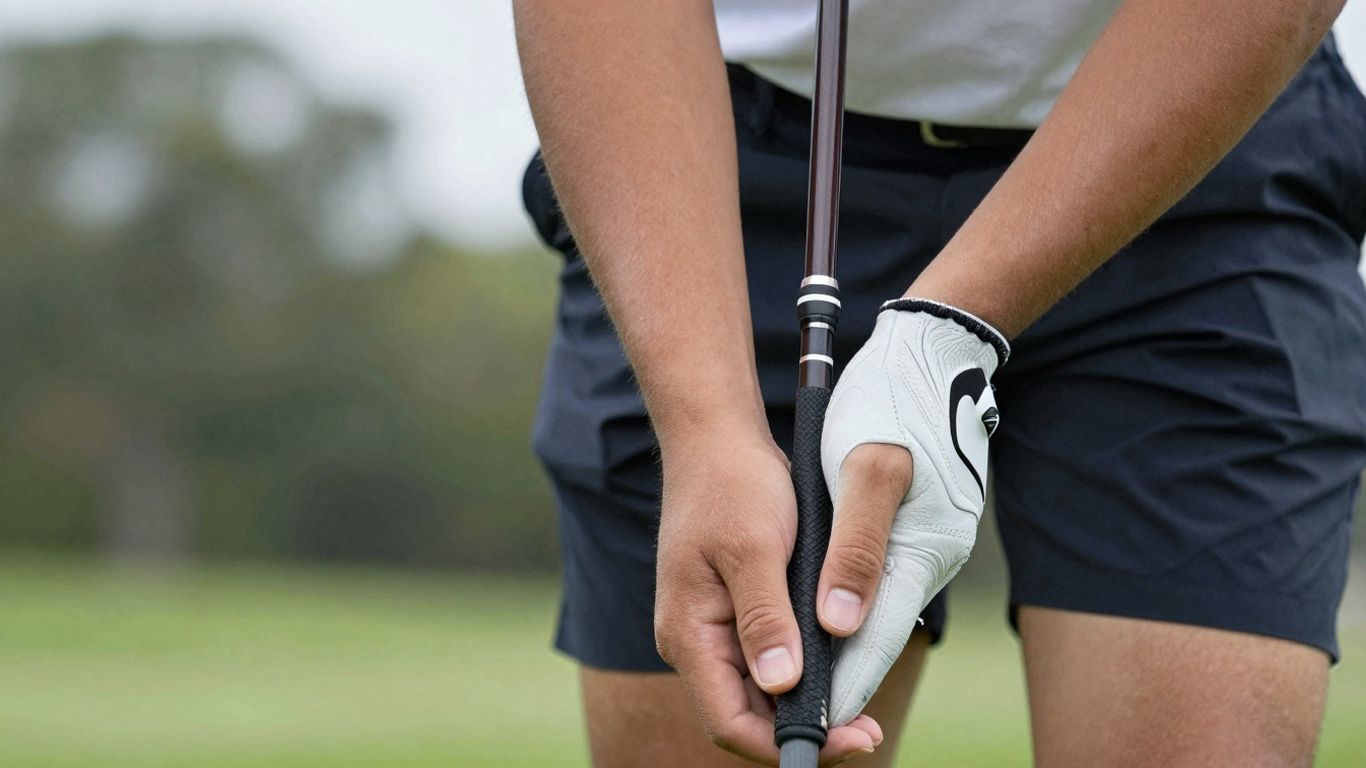
A golf grip trainer is basically a tool, often a specially shaped grip that you put on a golf club, designed to help you hold the club the right way. Think of it like a guide for your hands. It shows you exactly where each finger and your palm should go. The main goal is to get your hands in the correct position every single time you pick up a club. It's not about changing your swing, but about fixing the very first thing you do before you even swing – your grip.
Why Beginners Need A Golf Grip Trainer
When you're just starting out in golf, there's a lot to learn. You're thinking about your stance, your swing, where to aim, and a million other things. Because of this, the grip often gets overlooked or, worse, learned incorrectly. A bad grip can lead to all sorts of problems down the line, like slices, hooks, or just inconsistent shots. It's like building a house on a shaky foundation; it's just not going to end well.
Here's why it's so important for beginners:
- Foundation for Everything: Your grip is the only connection you have to the club. If it's off, the rest of your swing will suffer.
- Muscle Memory: Beginners need to build good habits from the start. A trainer helps ingrain the correct feel and position.
- Avoiding Bad Habits: It's much harder to fix a bad grip later than to learn the right one from the beginning.
- Confidence Boost: Knowing you're holding the club correctly can make you feel more confident stepping up to the ball.
Benefits Of Using A Golf Grip Trainer
Using a grip trainer isn't just about looking like you know what you're doing; it actually makes a difference. It helps you get consistent with how you hold the club, which is a huge deal in golf. When your grip is consistent, your clubface is more likely to be square at impact, leading to straighter shots. It also helps you develop the right pressure – not too tight, not too loose. This allows for better clubhead speed and control.
A proper grip is often cited as the most important part of the golf swing. Without it, even the most athletic golfer will struggle to achieve consistent results. The trainer simplifies this complex aspect of the game.
Here are some of the key advantages:
- Consistency: It guides your hands to the same spot every time.
- Correct Positioning: It teaches you where your left and right hands should be relative to each other and the club.
- Muscle Memory: Repeated use builds the correct feel into your hands and arms.
- Improved Control: A good grip gives you better command over the clubface.
- Reduced Frustration: Fewer bad shots mean a more enjoyable learning experience.
Choosing The Right Golf Grip Trainer
So, you've decided a grip trainer is the way to go for your golf game. That's a smart move! But with a bunch of them out there, how do you pick the one that's actually going to help you, and not just be another piece of plastic cluttering up your golf bag? Let's break it down.
Key Features To Look For
When you're shopping around, keep an eye out for a few things that make a trainer truly useful. The most important feature is how well it guides your hands into the correct position. Some trainers have raised lines or specific indentations that show you exactly where your thumbs and fingers should rest. Others are more subtle, just offering a slightly different texture or shape to encourage a better feel. You'll also want to consider if it's designed for a specific type of grip (like an overlap, interlock, or ten-finger) or if it's more general. For beginners, a trainer that clearly marks the spots for your left and right hand is usually the best bet.
Materials And Durability
Most grip trainers are made from rubber or a similar flexible polymer. This is good because it needs to fit snugly onto your existing club grip without damaging it. You don't want something that feels cheap and might crack after a few uses, especially if you plan on practicing regularly. Think about how it feels in your hand too. Does it offer a bit of tackiness, or is it slippery? A trainer that feels solid and has a bit of grip itself will be more comfortable and effective. Most of these are pretty tough, but it's worth checking reviews if you can find them to see if anyone has had issues with them falling apart.
Ease Of Use For New Golfers
This is a big one for beginners. If a trainer is complicated to put on or figure out, you're less likely to use it. The best ones just slide right over your current grip on a club. You shouldn't need any tools or special instructions. It should be obvious where your hands go. Some trainers are designed to be used on just one club, while others can be moved around. For practice, having one that you can easily attach to your favorite iron or driver is super convenient. The goal is to make practicing your grip as simple as possible, so you can focus on the swing itself.
Remember, the whole point of a grip trainer is to build muscle memory. If it's a hassle to use, that memory won't get built. Look for something that feels natural and integrates smoothly into your practice routine, whether that's at the driving range or even just in your living room.
Mastering Your Grip With A Trainer
Correct Hand Positioning Explained
Getting your hands on the club right is a big deal in golf. It’s not just about holding on tight; it’s about how your hands connect with the grip. A golf grip trainer is designed to show you exactly where your hands should go. Think of it like a guide, showing your left hand (for right-handed golfers) and then your right hand where to sit. This precise placement helps you avoid common mistakes that can send your ball off course. Most trainers have little markers or a specific shape that naturally guides your fingers and palms into the correct position. It takes the guesswork out of it, so you can focus on the swing itself.
Building Muscle Memory For Consistency
Once you know where your hands should go, the next step is making it automatic. That’s where muscle memory comes in. When you use a grip trainer repeatedly, your hands start to remember the right feel and position without you even thinking about it. It’s like learning to ride a bike; at first, you concentrate hard, but eventually, it just happens. Using the trainer for just a few swings each practice session can make a huge difference. Over time, this ingrained habit will translate to the course, meaning you’ll likely have a better grip even when you’re not using the trainer.
Here’s a simple way to think about it:
- Initial Setup: Place the trainer on your club and put your hands on it as instructed.
- Practice Swings: Take several practice swings, focusing on the feel of your hands on the trainer.
- Repetition: Repeat this process during every practice session, even if it’s just for 5-10 minutes.
- Transfer: Try a few swings without the trainer to see if the feeling is becoming natural.
The goal here isn't to become dependent on the trainer, but to use it as a tool to learn the correct feel. Once that feel is established, your body will start to replicate it naturally.
Integrating The Trainer Into Practice
So, how do you actually use this thing? It’s pretty straightforward. You can snap the trainer onto any club in your bag. Many golfers find it helpful to use it on a practice club, or even one they don’t use often, so they don’t have to keep taking it on and off their gamer clubs. Spend the first few minutes of your range session with the trainer, getting your hands set correctly. Then, take it off and try to replicate that feeling with your regular grip. You can also use it at home for some light swings, just to reinforce the correct hand position. This golf training aid is designed to improve your swing by helping you coordinate the movement of your arms, body, and club. By promoting the correct sequence and manner of motion, it aims to increase swing speed and enhance overall timing for a more effective golf stroke.
Maximizing Your Practice Sessions
So, you've got your golf grip trainer, and you're ready to make some serious improvements. That's awesome! But where do you actually use this thing to get the most bang for your buck? It's not just about having the trainer; it's about integrating it smartly into your practice routine. Think of it as a tool to build a better habit, not just a gadget you pull out once in a while.
Using The Trainer At The Driving Range
The driving range is your best friend when you're working on your swing mechanics. Bringing your grip trainer here is a no-brainer. Before you even start hitting balls, spend a good chunk of time just getting a feel for the correct grip. Take practice swings, focusing solely on how your hands feel on the club. Don't worry about distance or accuracy yet; just groove that proper hold. You can even attach it to a club and hit a few balls with it on, though it might feel a bit awkward at first. This helps solidify the feel when you're actually swinging.
- Warm-up: Start your range session by doing 10-15 swings with the trainer on your club, focusing on the feel.
- Drill: Hit a bucket of balls, taking the trainer off for every 5-10 shots to see if you can replicate the feel.
- Check-in: Periodically throughout your session, re-attach the trainer to check your grip between shots.
Practicing Your Grip At Home
Who says you need to be at the golf course or range to practice? Your living room, backyard, or even your office can become a mini-practice zone. The beauty of a grip trainer is its portability. You can use it while watching TV, during commercial breaks, or just for a few minutes each day. This consistent, low-pressure practice is where the real magic happens for building muscle memory. The more you feel that correct grip, the more natural it will become.
- Daily Routine: Spend 5-10 minutes each day just holding the club with the trainer, taking slow, controlled practice swings.
- Mirror Work: If possible, practice in front of a mirror to visually confirm your hand placement.
- Club Variety: Practice with different clubs – driver, irons, wedges – to get the feel across your whole set.
Combining With Other Training Aids
Don't stop at just the grip trainer! It's a fantastic starting point, but combining it with other aids can really accelerate your progress. For instance, using alignment sticks alongside your grip trainer can help you see how a proper grip influences your swing path and overall alignment. If you're working on striking the ball cleanly, drills from resources like golf ball striking drills can be incredibly beneficial. The idea is to create a holistic practice approach where each tool supports the others, building a more complete and consistent golf game.
Remember, consistency is key. It's better to practice for 10 minutes every day than for two hours once a week. The grip trainer is designed to make that consistent practice easier and more effective by giving you immediate feedback on your hand placement. Don't get discouraged if it feels strange at first; that's just your muscles learning something new.
Common Grip Issues Solved By Trainers
Addressing The Slice With Proper Grip
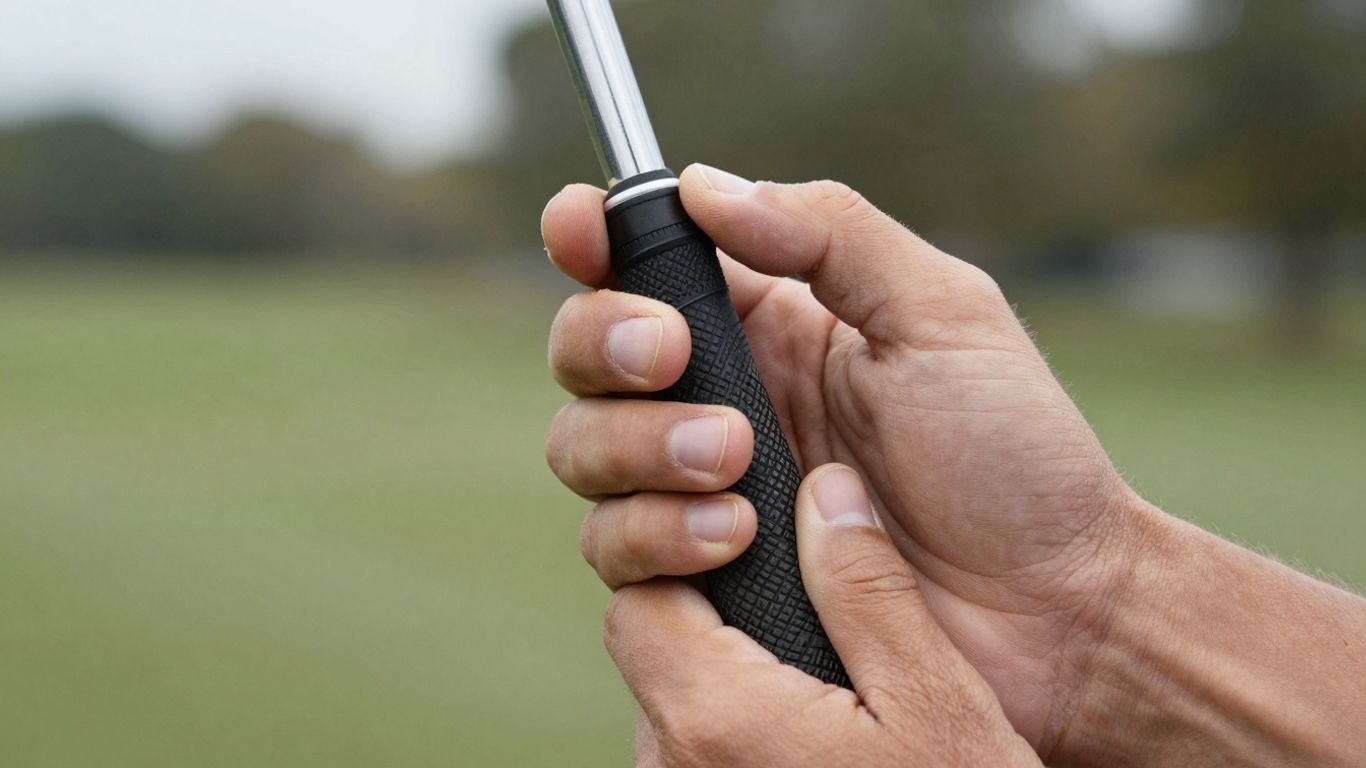
A slice is one of those golf problems that can really mess with your head. You know, you swing, and the ball just veers off way to the right (if you're right-handed). A lot of times, this comes down to how you're holding the club. If your hands are too far open, meaning your left hand is turned too much away from you, it can make the clubface open through impact. A grip trainer can help you find that neutral position. It guides your hands so they're set just right, making it easier to square up the clubface. This simple adjustment can make a huge difference in keeping the ball straighter.
Improving Swing Path And Tempo
Your grip isn't just about where your hands sit; it affects your whole swing. A weak grip, for example, can lead to an 'over-the-top' swing path, where you bring the club from outside the target line. This often results in that dreaded slice. Conversely, a grip that's too strong might lead to a hook. A trainer helps you get a consistent grip, which in turn promotes a more consistent swing path. When your hands are in the right place, the club tends to swing more naturally on plane, and your tempo often feels smoother too. It's like the foundation of your swing is solid, allowing everything else to flow better.
Achieving A Neutral Grip
So, what's a neutral grip anyway? Think of it as the sweet spot. For a right-handed golfer, your left hand should be positioned so you can see about two to three knuckles when you look down. Your right hand should sit on top, with the lifeline of your right palm covering the thumb of your left hand. It's not super strong, and it's not super weak. It's just... right. A grip trainer is basically a physical guide for this. It has markings or a shape that forces your hands into that specific, neutral position. You use it for a few swings, and your hands start to remember where they should be, even after you take the trainer off. It builds that muscle memory without you having to constantly think about it.
Wrapping It Up
So, there you have it. A golf grip trainer is a pretty straightforward tool, but it can make a real difference. It’s not about fancy tech; it's about building that muscle memory for where your hands should go. Think of it like learning to ride a bike – you just need a little help to get the balance right. Using one of these on the range or even at home can help you get that feel for a good grip without needing a pro looking over your shoulder every second. It’s a simple step, but getting your grip sorted is a big win for your whole game.
Frequently Asked Questions
What exactly is a golf grip trainer?
A golf grip trainer is a simple tool that you can put on your golf club. Its main job is to help you hold the club the right way. It guides your hands so they are in the perfect spot for a good swing, helping you get used to the right feel.
Why would a beginner need a grip trainer?
Beginners often struggle with holding the club correctly, which is super important for hitting the ball well. A trainer helps beginners learn the right way to grip from the start, preventing bad habits that are hard to fix later. It's like having a little guide for your hands.
How does a grip trainer help build muscle memory?
When you use a grip trainer over and over, your hands and brain start to remember the correct position without you even thinking about it. This is called muscle memory. The trainer makes sure you do it the right way each time, so eventually, you'll be able to grip the club perfectly even without the trainer.
Can I use a grip trainer at home?
Yes, absolutely! You don't need to be at the driving range to use a grip trainer. You can practice your grip at home by just swinging the club with the trainer on it. This is a great way to build that muscle memory without even hitting a ball.
Will a grip trainer help fix a slice?
A slice is a common problem where the ball curves way to the right. Often, a slice happens because of a weak grip. A grip trainer helps you get a stronger, more neutral grip, which can help stop the clubface from opening up during your swing, leading to straighter shots.
How long should I use a grip trainer during practice?
You don't need to use it for your entire practice session. Using it for a few swings at the beginning of your practice, or for a few minutes during your session, is usually enough. The goal is to get the feel right and build that muscle memory, not to rely on it forever.


